Product Description
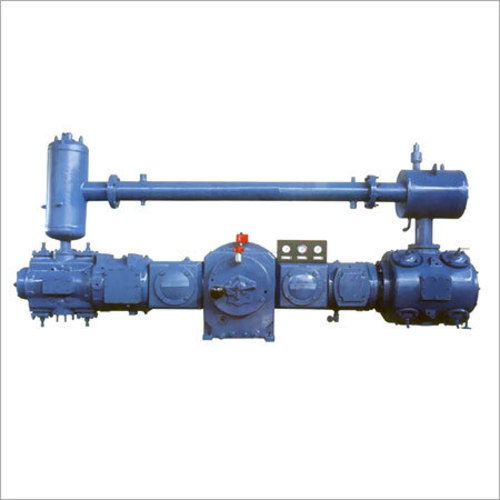
We are a leading company specializing in the business of manufacturing and exporting Bare Compressor Pumps. Pumps are used to transport liquids by pressurizing them, from a source either above or below the pump to any destination point of any height. To manufacture these pumps, we use finest quality materials and components. Pumps come complete with air intake filter, both interstage and after coolers with cowling and bladed fan flywheel for effective overall heat reduction. We offer Bare Compressor Pumps at market leading prices to clients.
Specification
|
Power Source
|
AC Single Phase
|
Features:
- Rugged construction
- Easy installation
- Less noise generation
Specifications:
|
Model
|
Motor Hp
|
FAD CFM at 7 Kg/cm2
|
FAD CFM at 10 Kg/cm2
|
|
ATBO 10 - 40 P
|
40
|
223
|
189
|
|
ATBO 10 - 50 P
|
50
|
273
|
214
|
|
ATBO 10 - 60 P
|
60
|
332
|
283
|
|
ATBO 10 - 75 P
|
70
|
415
|
324
|
|
ATBO 10 - 100 P
|
100
|
524
|
472
|
|
ATBO 10 - 120 P
|
120
|
644
|
576
|
|
ATBO 10 - 150 P
|
150
|
817
|
682
|
|
ATBO 10 - 180 P
|
180
|
922
|
819
|
|
ATBO 10 - 215 P
|
215
|
1182
|
955
|
A bare compressor pump is the core mechanical component of an air compressor system that compresses air or gas but excludes the motor and other accessories like the tank, electrical controls, and frame. It consists of essential parts like cylinders, pistons, or rotary screws that reduce the volume of gas, thereby increasing its pressure, and requires a separate motor to be powered and integrated into a complete system for applications such as pneumatic tools, industrial processes, and specialized fields like medical or food processing.
-
The "Heart" of the System:
A bare pump is essentially the "engine" of the air compressor, responsible for the actual gas compression.
-
Excludes Accessories:
Unlike a complete compressor, a bare pump does not include the electric motor, tank, pressure switch, or a frame.
How it works (general principle):
-
Gas Intake:
The pump takes in gas from the atmosphere.
-
Compression:
Through mechanisms like pistons moving in cylinders, rotary screws, or diaphragms, the pump reduces the volume of the gas.
-
Pressure Increase:
This reduction in volume leads to a significant increase in the gas's pressure.
-
Discharge:
The compressed gas is then pushed out to the next stage or the system's outlet.
Types of bare compressor pumps:
- Reciprocating: These use pistons to compress gas, often with one or more cylinders.
- Rotary Screw: These use rotating screws to compress the gas, offering high volume and efficiency.
- Diaphragm: A variation of piston compressors where a flexible diaphragm separates the piston from the gas, keeping the compressed air oil-free.
Reliable Performance for Industrial DemandsBare Compressor Pumps are crafted from durable cast iron to withstand demanding industrial environments. Their reciprocating design and advanced engineering guarantee reliable air supply for manufacturing, workshop, or processing applications. Offering flexibility through various configurations and power options, these pumps are a trusted solution for industries demanding efficiency and consistent performance.
Flexible Installation and OperationThese pumps are base mounted for stability and available in both vertical and horizontal layouts, making them adaptable to various installation setups. The belt-driven, V-belt drive system provides efficient power transmission, while the splash lubrication ensures minimal maintenance. Designed for manual control and compatible with standard industrial electrical supplies, they are straightforward to integrate and operate.
FAQ's of Bare Compressor Pumps:
Q: How do I select the right Bare Compressor Pump model for my industrial application?
A: To choose the optimal model, consider your required flow rate (150-2000 LPM), pressure capacity (8-12 Bar), power supply (220-415 V, single or three phase), and desired cylinder count (1 to 3). Assess your installation needs (vertical or horizontal), and consult the manufacturer or supplier to ensure compatibility with your system's requirements.
Q: What is the recommended process for installing a Bare Compressor Pump?
A: Installation involves securely mounting the pump on a stable base, ensuring it is properly aligned with the power source and V-belt drive. Electrical connections should adhere to voltage (220-415 V) and phase specifications. It is important to fit allied equipment like safety valves, intercoolers, and pressure controllers for safe operation. Always follow the manufacturer's guidelines during setup.
Q: When should maintenance be performed on these compressor pumps?
A: Routine inspections and maintenance are advised at regular intervals, depending on usage intensity. Check the splash lubrication level, belts, and safety devices periodically to ensure smooth operation and longevity. Refer to the product manual or consult the supplier for recommended maintenance schedules specific to your model.
Q: Where can these Bare Compressor Pumps be used?
A: They are primarily intended for industrial environments requiring reliable compressed air, such as factories, manufacturing units, service stations, and workshops. Their robust construction and versatile mounting options make them suitable for a wide range of applications across the industrial sector.
Q: What are the benefits of using a reciprocating cast iron Bare Compressor Pump?
A: Users benefit from the pump's durability, high-pressure capabilities (up to 12 Bar), consistent performance, and efficient air supply. The splash lubrication reduces maintenance requirements, while compatibility with allied equipment enhances safety and operational control. These features make the pump a valuable, long-lasting investment for industrial air compression needs.
Q: How does the warranty service work for these pumps?
A: Warranty service type (onsite or offsite) is determined by your geographic location. Upon a warranty claim, the manufacturer or supplier will guide you through the repair or replacement process, ensuring your pump is serviced promptly and efficiently.










 Send Inquiry
 Send Inquiry
 Send SMS